







posted 2nd December 2025
The 'Adam Style'.
Robert Adam: Master of Harmonious Classicism and Architect of Imperial Refinement
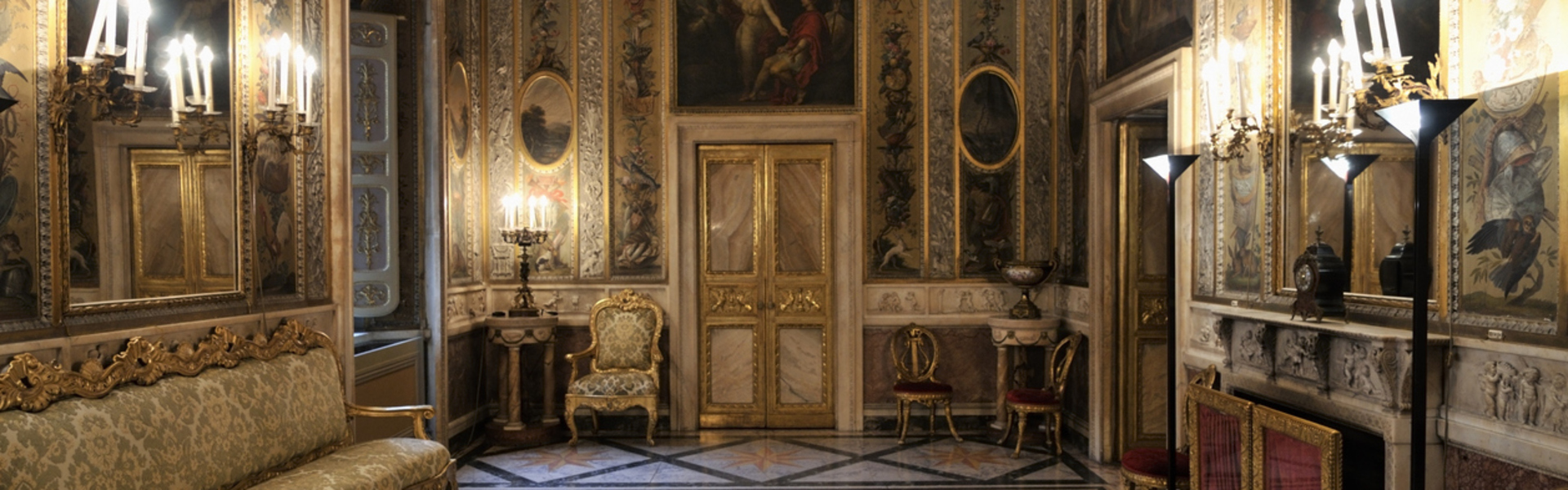
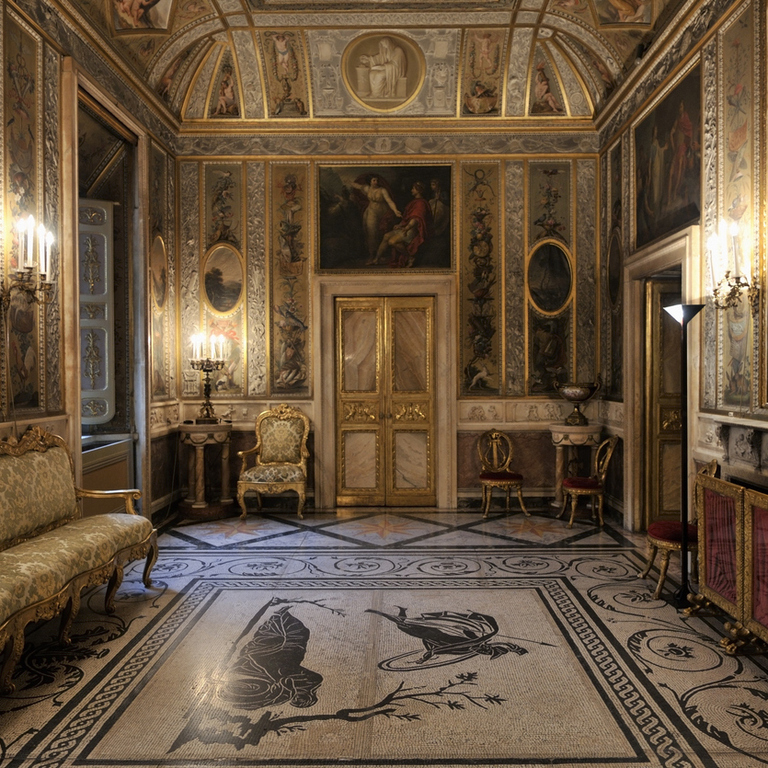
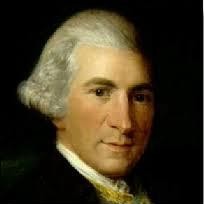
Robert Adam (1728–1792) stands as one of the most influential architects of the Enlightenment era—a designer whose mastery of classical language, spatial rhythm, and ornamental precision reshaped the built environment of Britain. Trained through extensive study in Rome, Adam absorbed the spirit of antiquity not as a mere imitator but as a visionary who sought to reinterpret classical geometry for a modern imperial society. His creations, from Kenwood House to the Adelphi development in London, demonstrated a refined interplay between architecture, interior decoration, and furniture—an integrated design philosophy now known globally as the Adam Style.
For the Institute of Black Nobility (IBN), Adam represents more than an architect; he symbolizes a moment in history where artistry, empire, and global cultural exchange intersected. His work relied on the labour, craftsmanship, and material knowledge of diverse peoples across Britain’s expanding world system, including the often-overlooked contributions of melanated artisans, stonemasons, carpenters, and metalworkers whose skill enriched the texture of Adam’s interiors and façades. Their geometric intuition, inherited traditions, and physical mastery were silent yet essential pillars of his architectural accomplishments.
IBN therefore honours Robert Adam not only for his architectural genius but also for the multicultural web of human effort that sustained his vision. By revisiting his works through modern scholarship, digital reconstruction, and historical reclamation, the Institute aims to reveal the fuller story—one in which classical beauty is inseparable from the diverse hands that shaped it. In doing so, IBN places Adam within a broader narrative of global nobility, acknowledging that the splendour of neoclassical Britain was built upon a foundation enriched by the creativity and labour of melanated peoples whose legacy deserves authoritative recognition.