

posted 26th December 2025
EVERYTHING WE CHERISH IS ECLECTIC
Stolen Light: Stealing from the Saracens and the Black Moors of Spain
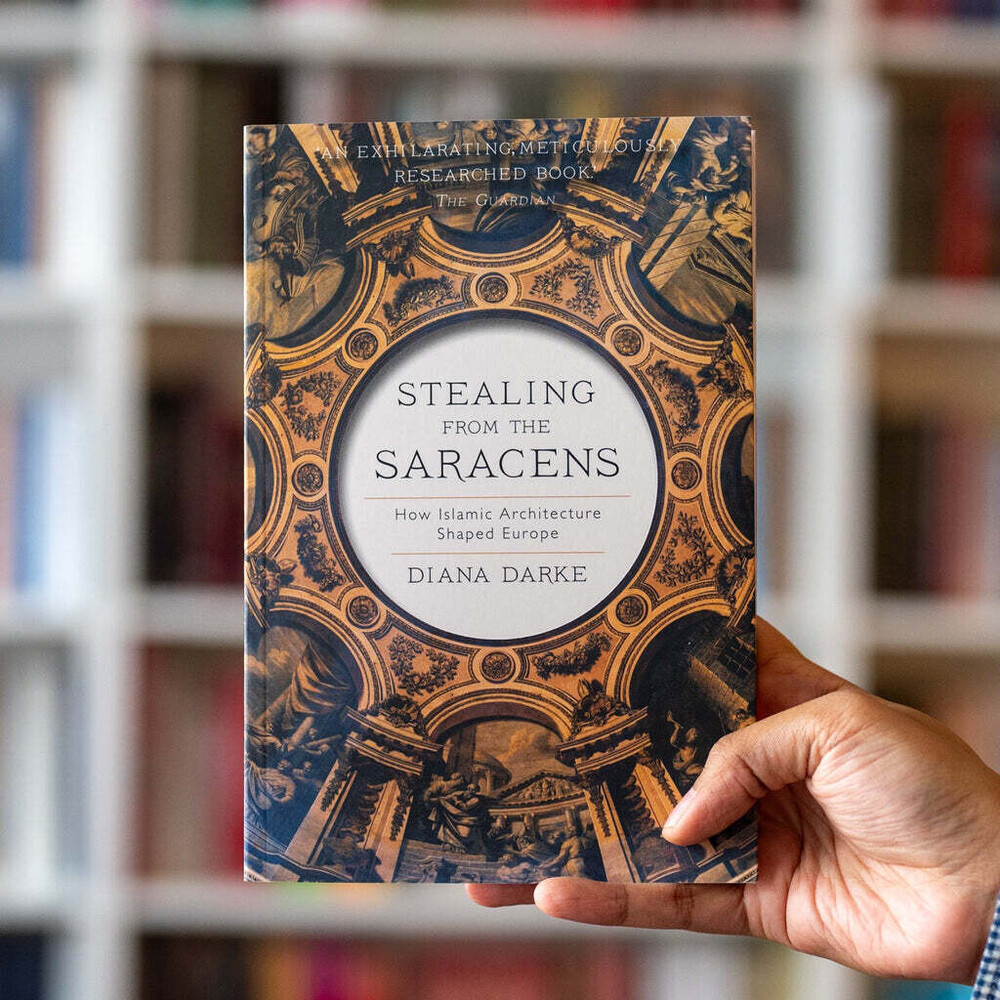
The book Stealing from the Saracens by Diana Darke performs an essential corrective act in European intellectual history. It exposes, with architectural precision and documentary restraint, what had long been obscured by ideology: that much of what Europe later claimed as its own Renaissance genius was, in fact, inherited-often unacknowledged-from the Islamic world. Yet the book’s implications extend beyond arches, domes, and ornamentation. At its core lies a deeper, more uncomfortable truth: Europe’s civilisational ascent was scaffolded upon the intellectual, scientific, and aesthetic achievements of the Moors of Spain, many of whom were unmistakably Black Africans.
Al-Andalus: Europe’s Forgotten University
For nearly eight centuries, Islamic Iberia-Al-Andalus-functioned as the most advanced knowledge ecosystem in Europe. Cities such as Córdoba, Seville, and Granada were not merely administrative centres; they were laboratories of civilisation. Street lighting, public baths, sanitation systems, hospitals, libraries with hundreds of thousands of volumes, and universities where Muslims, Jews, and Christians studied side by side were not Renaissance innovations. They were Moorish norms.
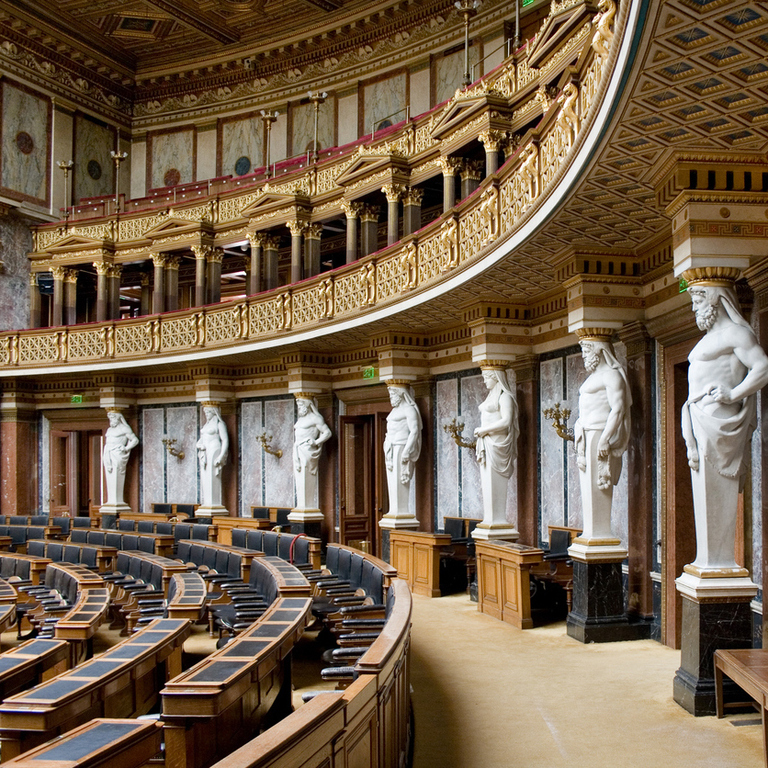
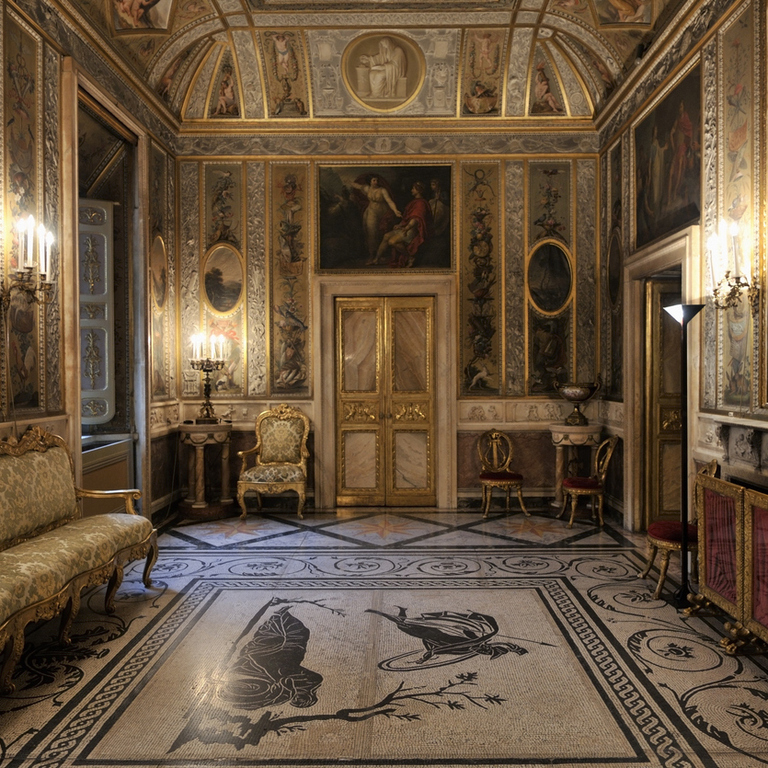
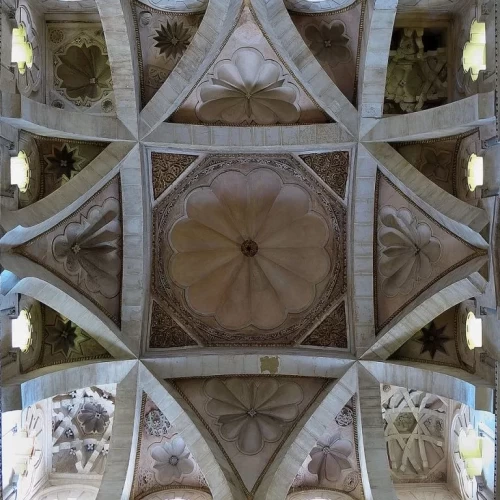
Darke’s work meticulously traces how architectural features-horseshoe arches, ribbed vaults, muqarnas, courtyards, proportional geometry, water engineering-migrated northward after Christian reconquest. What her book implies, though does not always state explicitly, is that architecture was the final visible layer of a much deeper transfer: mathematics, astronomy, optics, medicine, navigation, philosophy, and governance.
The Black Moors: Erased Custodians of Knowledge
European art and chronicles from the medieval period repeatedly depict Moors as dark-skinned, regal, learned, and sovereign. These were not symbolic figures. The Black Moors included scholars, generals, judges, architects, and rulers whose presence in Iberia was both demographic and structural. Their African origins-rooted in the Sahel, Maghreb, Nile Valley, and Horn-were neither incidental nor marginal. Africa was not Europe’s pupil; it was its teacher.
Yet as Europe entered its imperial phase, this reality became intolerable to emerging racial hierarchies. The same civilisation that absorbed Moorish science undertook a systematic whitening of history. Contributions were rebranded as “classical rediscoveries.” Islamic transmission was minimised. African presence was reframed as servitude rather than sovereignty.
What Darke documents architecturally, IoBN frames ontologically: the theft was not only of stone and form, but of authorship, memory, and legitimacy.
From Moorish Spain to the Renaissance Myth
The European Renaissance did not erupt spontaneously from Greco-Roman ashes. It was midwifed through Arabic translation houses, Muslim Spain, and North Africa. Aristotle returned to Europe wearing Arabic grammar. Algebra, algorithms, optics, and empirical method arrived through Muslim scholars whose intellectual lineage ran directly through Moorish Iberia.
The tragedy-and the crime-lies in what followed. Once absorbed, the source was denied. The Saracen was recast as the “other.” The Moor was expelled, converted, or erased. Libraries were burned. Genealogies were falsified. Portraits were altered. Europe kept the knowledge and discarded the knower.
IoBN Position: Reinstating Truth and Nobility
At the Institute of Black Nobility, Stealing from the Saracens is not read as a peripheral architectural study. It is recognised as corroborative evidence in a much larger case: that Black and Islamic civilisations were foundational architects of the modern world, and that their erasure was neither accidental nor benign.
To restore historical balance is not to indulge grievance; it is to re-anchor civilisation in truth. The Black Moors of Spain were not guests in Europe’s house. They were among its builders. Their intellect shaped Europe’s skyline, its sciences, its universities, and its methods of thought.
Until this is fully acknowledged-without euphemism, without dilution-Europe’s historical narrative remains incomplete, and its moral authority unresolved.
Knowledge stolen is knowledge that testifies.
And the stones, arches, and domes of Europe still speak Arabic-whether Europe admits it or not.