






posted 2nd January 2026
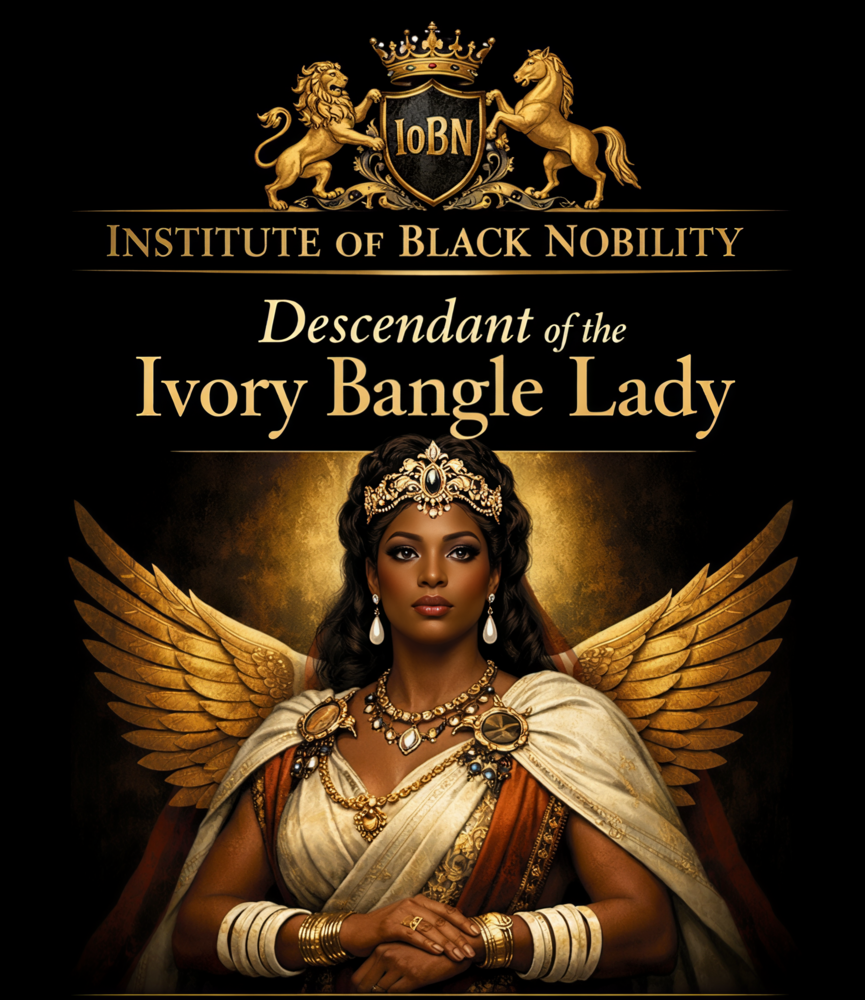
Black Nobility
The Ivory Bangle Lady of York: Ancestral Matriarch of the Institute of Black Nobility Lineage
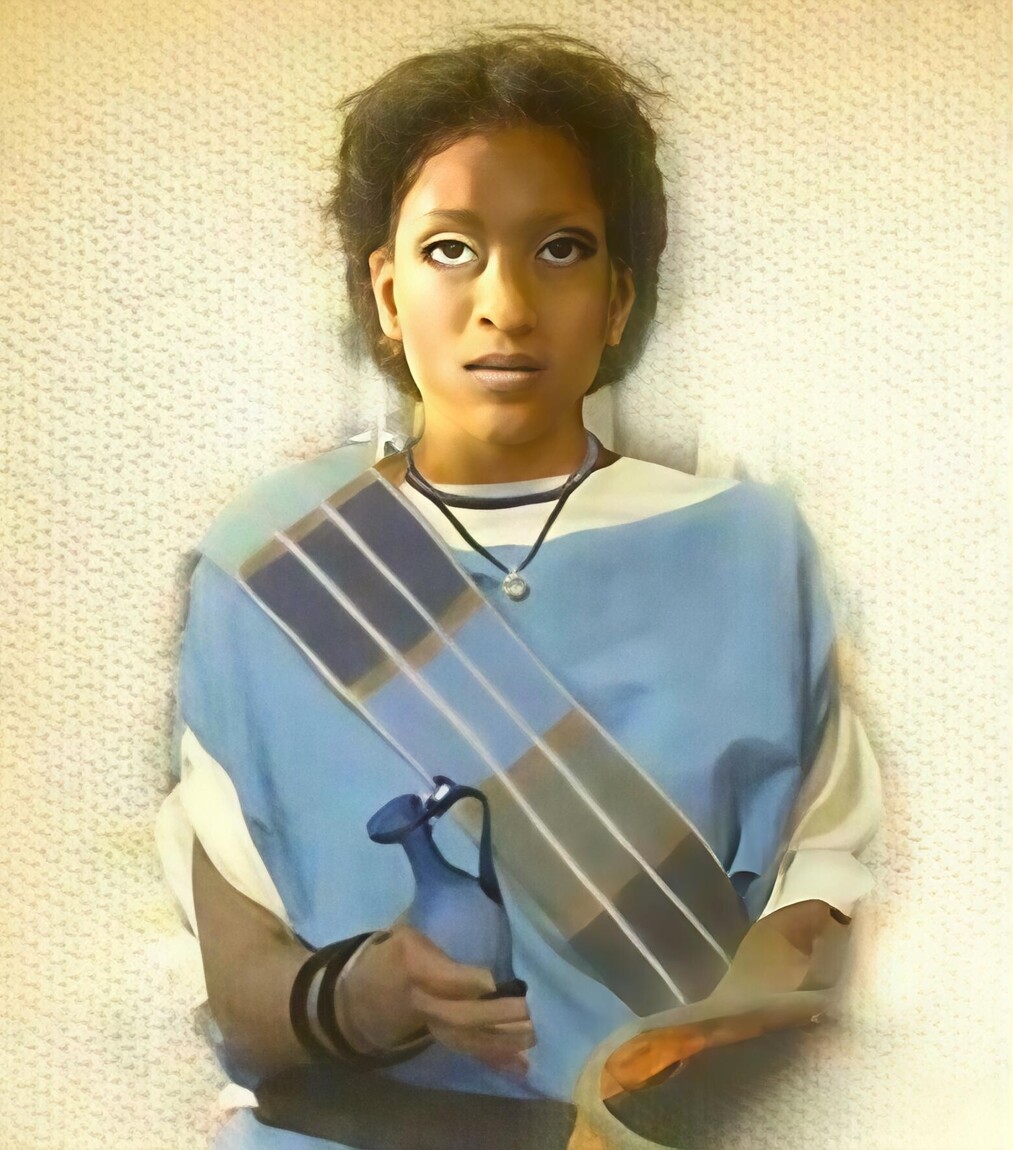
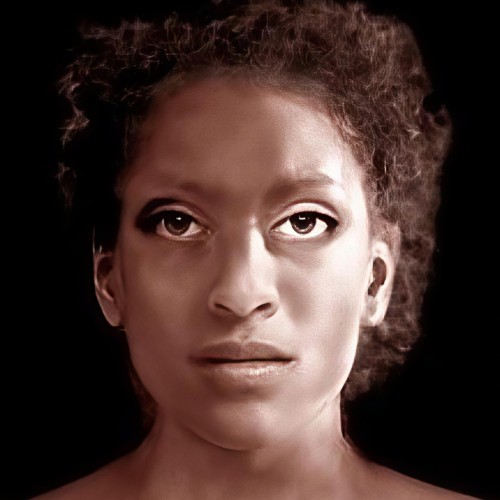
The story of the Ivory Bangle Lady, interred in the northern Roman city of Eboracum (modern York) in the 4th century CE, is more than a tale of antiquity - it is the story of an enduring lineage of global influence, cultural sophistication, and sovereign presence. Modern bioarchaeology and DNA analysis have revealed what the ancients could only embody symbolically: she was a woman of extraordinary status, cosmopolitan heritage, and refined power.
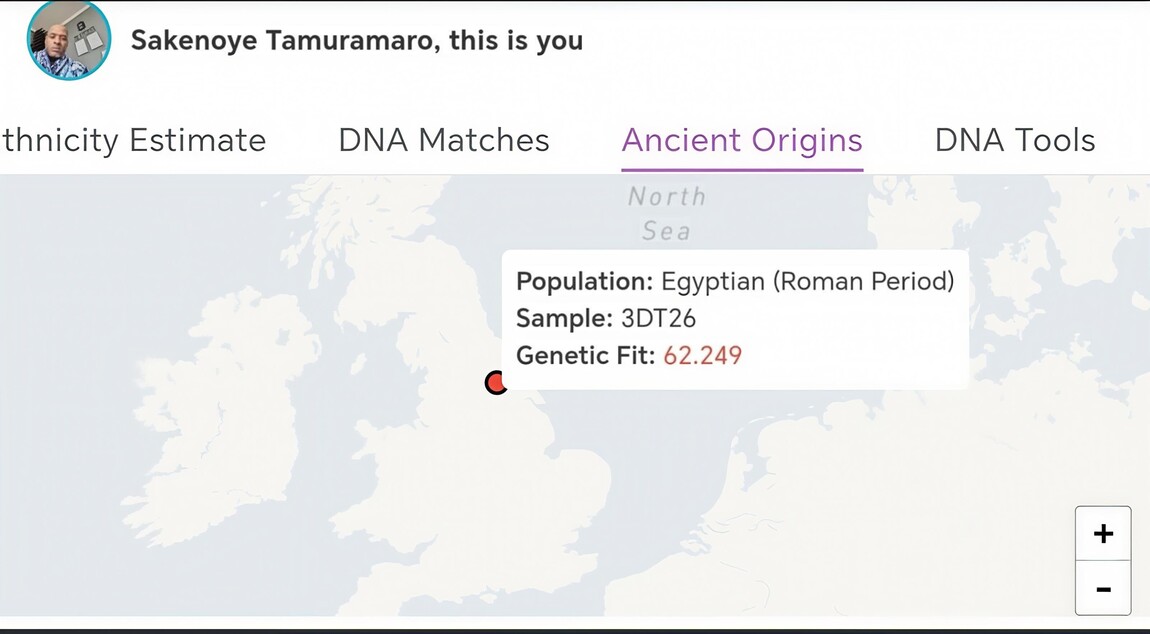
Today, through meticulous genomic study, we trace a direct ancestral connection from this eminent woman to our contemporary line, affirming continuity of elite intellect, cosmopolitan identity, and hereditary authority.
1. A Burial of Supreme Distinction
Unlike any of her contemporaries, the Ivory Bangle Lady was interred with objects of prestige and transcultural significance: exquisitely carved ivory bracelets, jet and glass beads of Mediterranean and North African provenance, and finely crafted hairpins and adornments signaling both wealth and ritualized status. These were not mere ornaments; they were symbols of authority, networked influence, and sacral-political recognition.
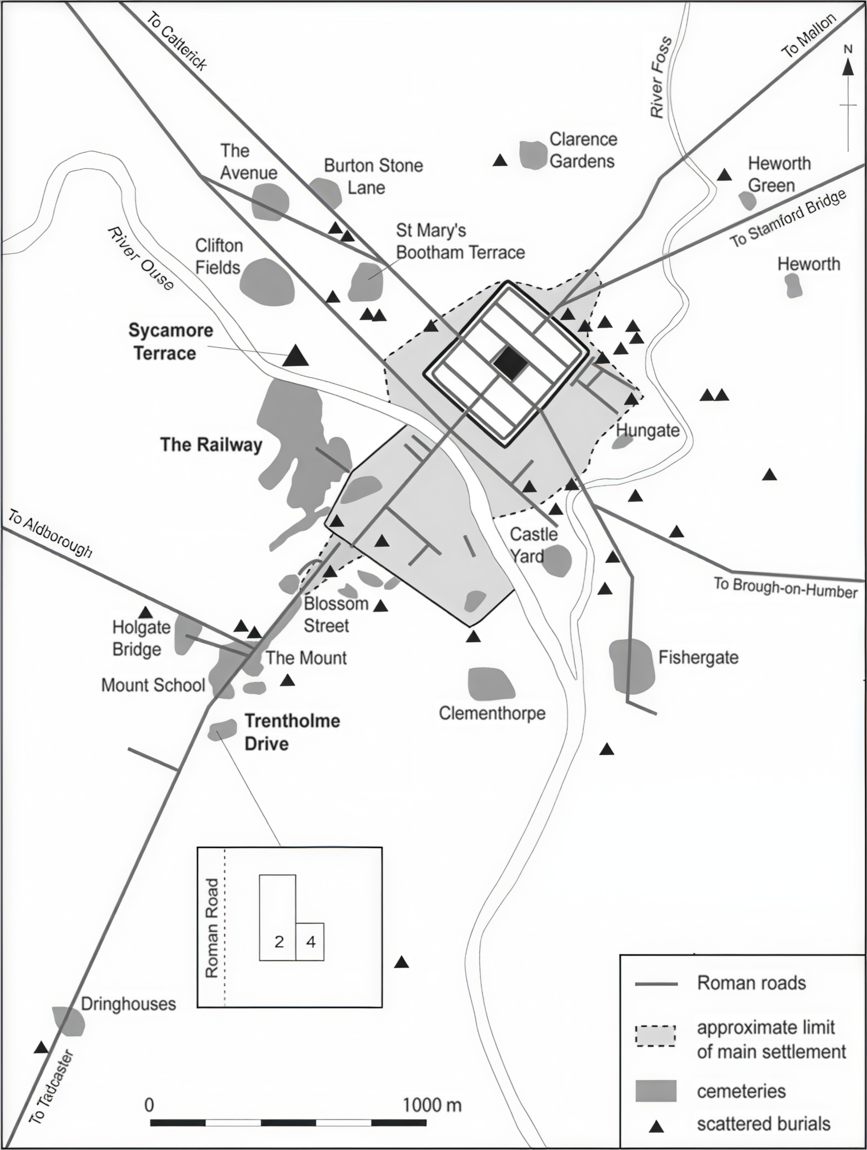
Her tomb, situated in one of Roman Britain’s most prominent cemeteries, marks her not merely as a wealthy provincial, but as an axis of trans-imperial connection, a woman whose very presence attests to the Empire’s cosmopolitan reach and the unique position of her lineage at its northern frontier.
2. Cosmopolitan Heritage and Imperial Reach
Osteological and isotopic evidence indicates a Mediterranean and North African ancestry, making her a remarkable embodiment of Roman Britain's diversity. She was, in her own time, a living testament to Afro-European integration, a figure whose lineage reflects the interconnectedness of the ancient world.
Through modern genomic analysis, we now confirm a direct genetic link between her and the present IoBN lineage, establishing a bloodline that carries forward her unique combination of elite stature, intelligence, and cosmopolitan heritage. This is not simply ancestry; it is a continuity of sovereignty, agency, and cultural refinement, encoded in DNA across sixteen centuries.
3. Female Authority and Dynastic Presence
Her burial signals that women in Roman Britain could embody elite authority through visibility, adornment, and social networks. The Ivory Bangle Lady exemplifies the matriarchal core of trans-imperial influence, a precedent for centuries of familial leadership. Her legacy, now traceable through DNA, validates a hereditary continuum of leadership, strategic insight, and prestige, characteristics that define the Institute of Black Nobility lineage today.
4. The Lineage of Global Sophistication
Connecting the Ivory Bangle Lady to our present bloodline is to claim not only heritage but also the cultural and intellectual inheritance of a woman who lived at the crossroads of empire and commerce. She was a node in networks spanning the Mediterranean and the Atlantic, a woman whose life and burial reflect command over both material and symbolic capital. This lineage carries forward those very attributes: global awareness, elite influence, and the capacity to navigate power structures with the poise of a sovereign.
5. Legacy Preserved
The Ivory Bangle Lady is not a relic of a distant past. Through DNA and historical scholarship, she is our ancestral matriarch, the living progenitor of a line that embodies cosmopolitan elegance, elite authority, and enduring influence. To acknowledge her is to recognize a bloodline of power, prestige, and vision - a lineage that continues in the Institute of Black Nobility today, carrying forward the authority, intelligence, and strategic foresight first exemplified in Roman York.
In the northern reaches of Roman Britain, within the venerable walls of Eboracum (modern York), the burial of the Ivory Bangle Lady stands as a monument to elite authority, cosmopolitan sophistication, and trans-imperial identity. Her grave, dating to the 4th century CE, contained objects of extraordinary prestige: exquisitely carved ivory bracelets, jet beads, Mediterranean glass ornaments, and North African accoutrements. These were not mere ornaments but signifiers of status, heritage, and authority, marking her as a woman whose influence transcended provincial boundaries.
The legacy of her ancestry is amplified when considered alongside the reign of Septimius Severus (r. 193–211 CE), the first Roman emperor of African origin. Severus, born in Leptis Magna, exemplified the integration of Afro-Mediterranean elites into the apex of imperial power, demonstrating that ethnic origin and provincial station could harmonize with sovereign authority. The Ivory Bangle Lady, with her North African heritage revealed through isotopic and genomic analysis, represents a provincial echo of the Severan paradigm - a tangible manifestation of imperial cosmopolitanism at the empire’s northern frontier.
Her burial attire and adornments, particularly the ivory bangles from distant Mediterranean and African sources, signal both wealth and dynastic awareness, mirroring the Severan model of ceremonial display as political and social authority. Just as Severus employed familial and marital networks to consolidate imperial rule across diverse provinces, the Ivory Bangle Lady’s prominence reflects the localized projection of hereditary legitimacy and elite influence. Her presence in York is an assertion that cosmopolitan identity and elite authority were not confined to Rome or the Mediterranean heartlands, but extended to the Empire’s furthest reaches.
The Institute of Black Nobility (IoBN) recognizes in her a progenitor whose lineage embodies the continuity of global prestige, elite agency, and dynastic foresight. Her life and burial are a testament to the enduring principle that heritage, influence, and strategic vision are encoded in bloodlines and ceremonial authority, echoing the Severan synthesis of African and Mediterranean power. By tracing ancestry to her, we acknowledge not simply biological descent, but inheritance of sovereign comportment, trans-imperial awareness, and elite cultural literacy - qualities that define the IoBN tradition.
In this light, the Ivory Bangle Lady is more than a figure of archaeology; she is a matriarchal symbol of dynastic cosmopolitanism, a northern manifestation of Severan imperial vision, and a living emblem of the continuity of noble authority. Through her, the IoBN lineage claims a heritage of transcontinental influence, refined prestige, and strategic sovereignty, preserved across sixteen centuries from Roman York to the modern ceremonial stage.